

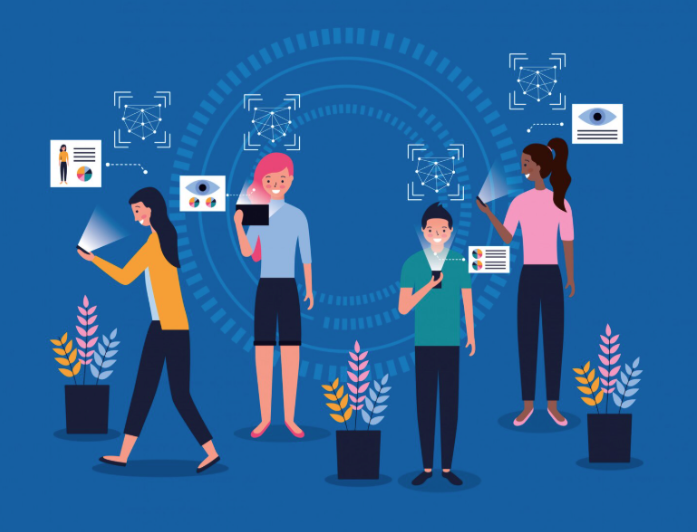
In the vast theatre of artificial intelligence, most algorithms have so far learned to think — to calculate, predict, and optimise. Yet, the next act in this story is not about sharper logic or faster computation. It’s about algorithms that can feel, understand, and navigate the complexities of human behaviour — socially intelligent algorithms. Imagine machines that not only process data but also perceive emotional context, adapt to cultural subtleties, and interact with empathy. That’s the horizon we’re approaching, and it’s one where technology and humanity meet in a new, delicate dance.
From Logic to Empathy: The Evolution of Machines
Once, algorithms were like mechanical pianists — precise, predictable, but emotionless. They could play the notes of data but not the music of human experience. As technology matured, data became not just numbers but narratives. Machines started recognising patterns in language, tone, and even facial expressions. This evolution mirrors humanity’s own growth — from survival-driven instincts to emotionally aware societies.
In this emerging phase, socially intelligent algorithms learn not only what we say but how we mean it. They interpret sarcasm in a tweet, compassion in a voice note, or confusion in a customer query. This capacity to read the emotional undercurrents of communication will redefine how industries like education, healthcare, and business analytics operate. Professionals trained through specialised learning paths, such as a Data Scientist course in Mumbai, are already exploring how emotional modelling can enhance machine learning frameworks beyond raw accuracy metrics.
The Human Mirror: Machines Learning Behavioural Nuance
Social intelligence in machines begins with observation — much like a child watching adults to learn social norms. Today’s AI models are fed not just text or numbers but vast tapestries of human interaction: conversations, gestures, micro-expressions, and social media debates. Through this immersion, algorithms begin to map the intricate choreography of human connection.
However, this imitation is not enough. The real challenge lies in contextual understanding. What seems like anger in one culture might signify passion in another. Machines must therefore move beyond universal datasets and learn local semantics — a process that demands continuous ethical training and cultural calibration. It’s a domain where behavioural scientists and data professionals collaborate, often blending social psychology with machine learning to create systems that don’t just react, but relate.
Emotion as Data: Teaching Machines to Feel Responsibly
Emotions, once the final frontier of human uniqueness, are now being quantified. Natural Language Processing (NLP) models detect empathy levels in customer service calls; sentiment analysis gauges market mood from online chatter; facial recognition decodes happiness or stress in milliseconds. But encoding emotion into data systems raises profound ethical questions.
How do we ensure algorithms respect emotional privacy? How do we prevent manipulation when machines can interpret — and potentially exploit — human vulnerability? This is where governance frameworks must evolve as fast as the algorithms themselves. Developing socially intelligent systems is not just a technical task but a moral one. Institutions offering advanced analytics programs, including a Data Scientist course in Mumbai, are now embedding modules on AI ethics and human-centric design — because tomorrow’s technologists must be part engineer, part philosopher.
Social Intelligence in Action: From Companions to Collaborators
The applications of socially intelligent algorithms are already unfolding around us. Virtual companions for the elderly provide not only reminders for medication but also emotional reassurance. HR tools analyse tone in emails to detect burnout before it surfaces. Customer engagement bots tailor responses based on detected sentiment, creating a smoother digital conversation.
In the creative domain, AI tools co-write stories or compose music that resonates emotionally with audiences, learning from billions of human expressions. These systems don’t replace empathy; they amplify it — serving as digital bridges that make human interaction more responsive, inclusive, and meaningful. What makes this revolution unique is that it shifts AI from the role of executor to collaborator — a partner capable of emotional intuition.
Ethics, Bias, and the Fragility of Emotion in Code
With great empathy comes great responsibility. Socially intelligent algorithms, if trained on biased data, can amplify stereotypes rather than dissolve them. A recruitment model might unconsciously replicate gender bias in tone interpretation; a social media moderation tool might misread cultural expressions as aggression. These flaws remind us that emotional intelligence — in humans or machines — requires continuous reflection and correction.
To address these issues, transparent AI practices and explainable model architectures are essential. Developers must not only audit data pipelines but also simulate social scenarios to evaluate the algorithm’s emotional responses. The frontier of AI is no longer purely computational; it is psychological, cultural, and profoundly human.
Conclusion: Toward a New Kind of Understanding
The next frontier of artificial intelligence is not one of dominance but of understanding — machines learning to see the world through human eyes. Socially intelligent algorithms will not just change how we interact with technology; they will reshape how we relate to one another in a digital age.
As we step into this future, the lines between logic and empathy will blur, giving rise to systems that interpret nuance, adapt to emotion, and respond with sensitivity. In this fusion lies the potential for technology that truly understands — not just what we say, but what we mean. The machines of tomorrow will not merely compute; they will connect.