

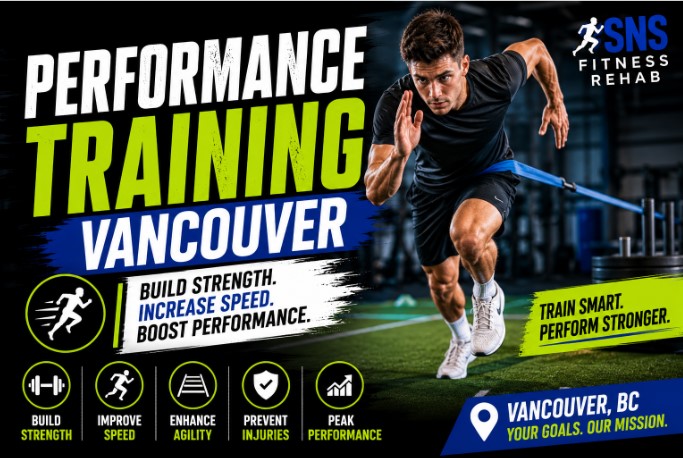
Whether you’re a competitive athlete, recreational sports enthusiast, or simply looking to improve your physical abilities, performance training in Vancouver offers a structured approach to enhancing strength, speed, power, and overall movement quality. Unlike general fitness programs, performance training is designed to improve the physical skills required for specific sports and everyday activities while reducing the risk of injury.
By combining evidence-based exercise programming with functional movement assessments, performance training helps individuals reach their full athletic potential safely and efficiently.
What Is Performance Training?
Performance training is a specialized form of exercise that focuses on improving the physical qualities needed for sports, recreation, and daily activities. Programs are tailored to each person’s goals, current fitness level, and movement patterns to maximize performance while promoting long-term health.
A comprehensive performance training program may include:
- Strength development
- Speed training
- Agility drills
- Power and explosive movement exercises
- Mobility and flexibility training
- Balance and coordination exercises
- Core stability
- Functional movement training
Every program is designed to support measurable progress while addressing individual needs.
Who Can Benefit from Performance Training?
Performance training isn’t just for elite athletes. It can benefit people of all ages and activity levels, including:
- Competitive athletes
- Youth athletes developing fundamental movement skills
- Recreational runners and cyclists
- Weekend sports participants
- Individuals returning after injury rehabilitation
- Active adults looking to improve fitness
- Anyone seeking better movement efficiency and injury prevention
Programs are adapted to match each person’s experience and physical capabilities.
Benefits of Performance Training
Improve Strength
Targeted resistance training helps develop muscular strength, which supports athletic performance and everyday functional movement.
Increase Speed and Agility
Sport-specific drills improve acceleration, reaction time, change-of-direction ability, and overall movement efficiency.
Enhance Mobility
Mobility exercises help improve joint movement, flexibility, and body control, allowing for more efficient movement patterns.
Reduce Injury Risk
Performance training identifies movement limitations, muscular imbalances, and stability deficits that may contribute to injuries. Corrective exercises help address these issues before they become more significant.
Boost Athletic Confidence
As physical abilities improve, athletes often gain greater confidence in their movement, technique, and overall performance during training and competition.
What Happens During an Initial Assessment?
A personalized assessment helps identify your strengths and areas for improvement.
Your evaluation may include:
- Health and activity history
- Functional movement screening
- Strength assessment
- Mobility and flexibility testing
- Balance and coordination evaluation
- Sport-specific movement analysis
- Goal setting
The information gathered allows your trainer or rehabilitation professional to create an individualized performance program.
Components of an Effective Performance Training Program
Functional Strength Training
Exercises focus on developing strength that transfers to sports and daily activities by emphasizing proper movement mechanics.
Speed and Agility Development
Training includes acceleration drills, directional changes, footwork exercises, and reaction-based movements to improve athletic performance.
Plyometric Training
Controlled jumping and explosive exercises help develop power, coordination, and lower-body performance when appropriate for the individual’s training level.
Mobility and Recovery
Stretching, mobility work, and recovery strategies support healthy movement and help maintain long-term performance.
Progressive Programming
As your strength and conditioning improve, your program is adjusted to continue challenging your body safely and effectively.
Tips for Maximizing Your Results
To get the most from performance training:
- Follow your training plan consistently.
- Prioritize proper technique over heavier resistance.
- Include adequate recovery between sessions.
- Maintain balanced nutrition and hydration.
- Get sufficient sleep to support recovery and performance.
- Communicate any discomfort or injuries with your trainer.
Consistency and gradual progression are key to achieving sustainable improvements.
Frequently Asked Questions
Is performance training only for athletes?
No. While athletes commonly use performance training, anyone looking to improve strength, mobility, balance, and overall physical function can benefit.
Can performance training help prevent injuries?
Yes. By improving movement mechanics, muscular strength, flexibility, and stability, performance training can reduce the risk of many common musculoskeletal injuries.
How often should I participate in performance training?
Training frequency depends on your goals, current fitness level, and recovery needs. Many people benefit from two to four sessions per week as part of a balanced exercise routine.
Can performance training be combined with rehabilitation?
Absolutely. Many individuals transition from injury rehabilitation into performance training to safely rebuild strength, restore function, and prepare for a return to sports or other physical activities.
Conclusion
Performance training in Vancouver offers a personalized approach to improving athletic ability, physical function, and long-term health. Whether you’re preparing for competition, returning from an injury, or simply striving to move better, a structured performance training program can help you develop strength, speed, mobility, and confidence while reducing the risk of future injuries. By focusing on proper movement and progressive exercise, performance training supports lasting improvements both on and off the field.